Demystifying drain drains: A novice's guide
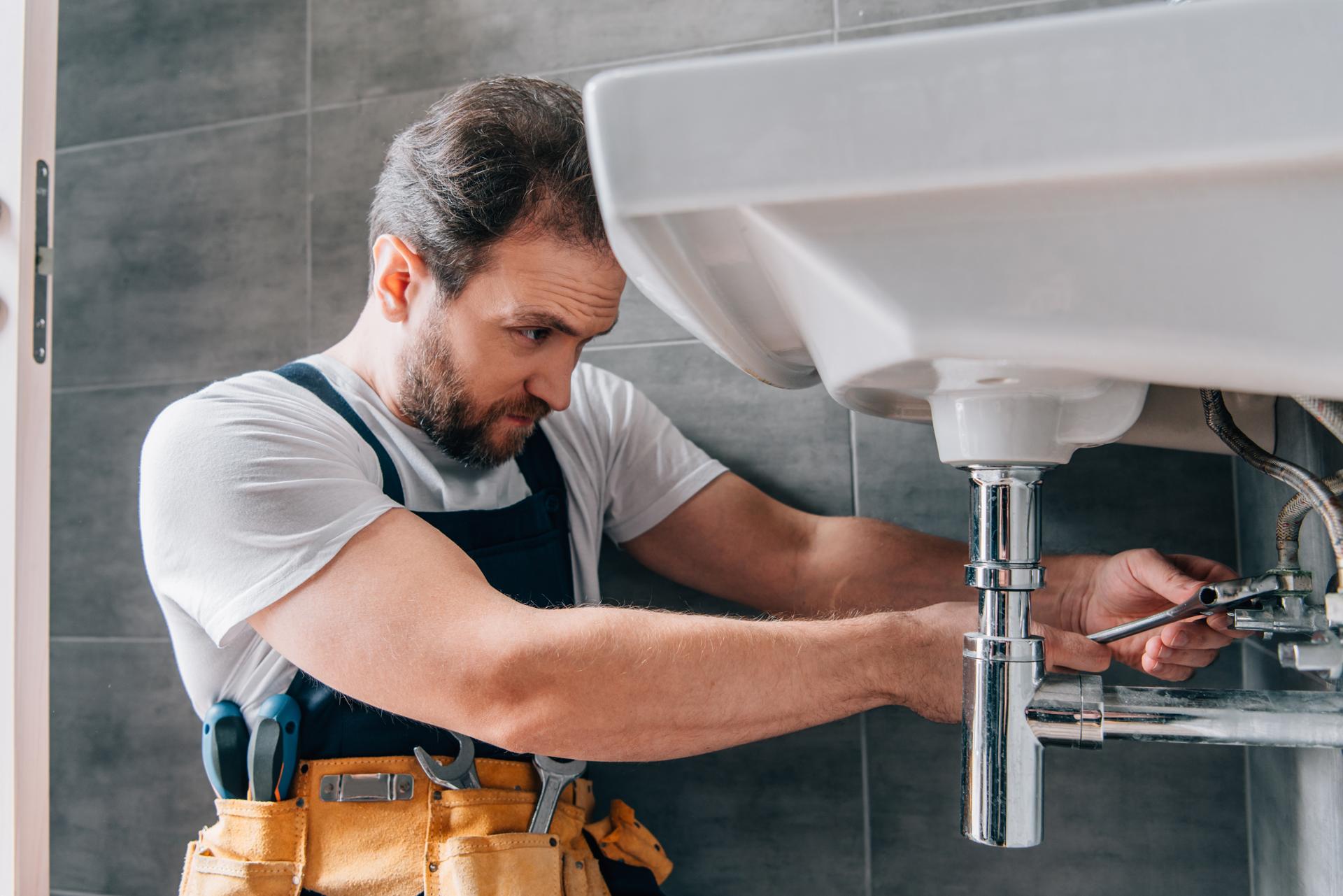
Plumbing drain is a crucial part of every plumbing system in your home. Without it, you’d have no way of disposing of wastewater from your sinks, tubs, and toilets.
In this article, we’ll go over how important it is to have a plumbing drain and how it functions as well as common problems, ways to prevent and maintain it to keep it functioning properly.
Understanding Plumbing Drain
Plumbing drain is the pipes that carry the water away from your house. There are various types of plumbing drains, including drainage pipes for sewers, drains to sinks shower drains, bathtub drains, as well as floor drains. A plumbing drainage system consists of traps, drain pipes, and cleanouts, all of which are used together to ensure proper treatment of wastewater.
What is the process of plumbing drains? Plumbing Drain Works
Gravity plays a significant role in how plumbing drains function. When water flows down the drain, it follows the path of least resistance, which usually is a downward slope toward your main drainage pipe. Traps, which are pipes with a U shape, prevent sewer gases from entering your home by trapping the water in a tiny amount. Cleanouts allow access to the drain system of your plumbing to maintain and clean.
Common Plumbing Drain Problems
Clogs are one of the most frequent problems that can arise in a the plumbing drain. They can be caused by a buildup of hair, soap scum, food particles, or other debris. Leaks in the drain system can also occur and cause water damage and mold growth. Slow drains and foul odors could also indicate problems with your plumbing drain system.
Prevention and Maintenance of Plumbing Drain
To avoid plumbing issues It is important to dispose of waste in a proper manner Avoid flushing items that are not biodegradable and make use of hair catchers inside your bathtubs and sinks. Regularly cleaning your bathroom can help prevent clogs from forming. Professional cleaning and inspections can aid in maintaining the plumbing drain system and catch any issues early on.
Conclusion
In conclusion, plumbing drain is an essential part of the plumbing system in your home. Knowing how it functions and the best way to address common issues can save you money on repairs and ensure the proper running of your plumbing drain system.
FAQ
What causes clogs in drainage pipes?
Clogs may be caused by a buildup of hair, soap scum, food particles or any other particles.
How often should I clean my plumbing drain?
Regular cleaning is a good way to prevent clogs from forming. It’s a good idea to clean your plumbing drain every couple of months.
Can I use chemical drain cleaners to clear obstructions?
Avoid using chemicals in drain cleaners because they can harm your plumbing drain system and cause harm to the environment.
What can I tell whether my drain in my plumbing is leaking?
Signs of a leaky drain are the growth of mold, water damage, and smells that are foul.
What should I do if I notice foul odors emanating from the drain of my plumbing?
Odors that are foul can be an indication of a problem with your plumbing drain system. It is recommended to have it examined by a professional in order to fix the problem.